
Wood fences are extremely popular. Chosen for their natural aesthetic and versatility, both homeowners and business managers prefer wood fences for privacy, property lines, and increasing property value. With a wood fence, you can create a natural boundary that blends in and creates a calming atmosphere for hosting.
Compared to other fences, however, wood fences do require more upkeep and maintenance. Over time, the elements will start to wear on wood fencing, causing decay, damage, and stains. At some point, it is safer and more affordable to replace your wood fence than to invest in continuous repairs.
If you’re wondering if you should repair or replace your wood fence, check out the six most common signs our fence contractors notice when it’s time for a new wood fence replacement. At this point, it’s easier, safer, and more affordable to update your wood fence than to keep up with repairs.
For homeowners and business managers in Howard County and Montgomery County, we can consult on your fence and recommend the best way forward. Evergreen Fence and Deck handles fence repairs, replacements, and installations throughout Maryland.
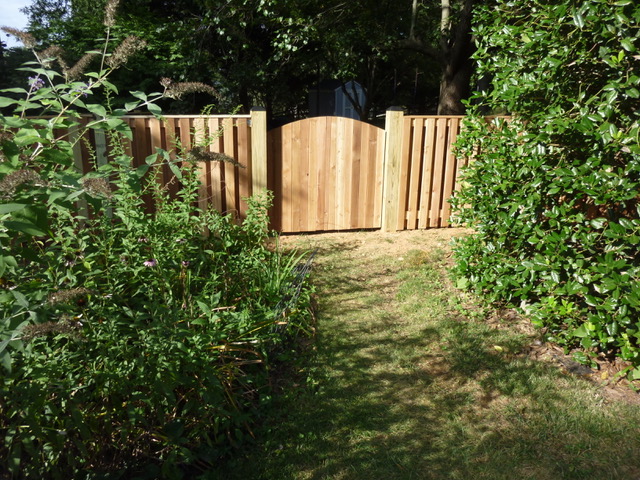
When To Replace a Wood Fence? 6 Common Signs
Rotting or Soft Wood
Wood fences should be strong, durable, and sturdy. Fence posts or planks that are suddenly soft, or worse, rotting away, indicate your fence is at the end of its lifespan. You may be dealing with insect damage, fungi, mold, or just general UV wear. If the damage is isolated, you may be able to scrape and treat the soft area, but most often, once the wood starts to deteriorate and crumble at the touch, it is beyond basic wood fence repairs, and you want to explore a new fence installation.
Leaning and Unstable Posts
Leaning or unstable fence posts are unsightly at best and dangerous at worst. A fence is no good if it leaves your boundary line open, and it could even become a hazard if it falls, especially if there are pets, kids, or visitors nearby. Wood fence posts may start to lean if the footing of the post has begun to rot away. The best fix is to replace your wood fence rather than invest in a repair, as there may be more damaged fence posts you can’t see.
Cracking and Splitting
When the wood on your planks or posts begins to crack or split, it is a sign to replace your wood fence. Minor cracks are normal, especially if they are shallow or isolated. But deep cracks or severe splitting compromise the safety of your wood fence. Wood begins to split and crack after high exposure to the elements and is a natural part of its lifespan, indicating it’s time to remove the old wood and invest in a new wood fence.

Mold, Mildew, or Fungal Growth
If wood is retaining moisture, you will notice signs of mold, mildew, or fungal growth on your wood fence. Wood that is retaining water is dangerous, as this is what causes wood to rot, sag, and deteriorate. Sometimes you can treat the wood if you catch the mold or moisture damage soon enough. However, widespread mold growth or fungal growth that recurs indicates your wood fence needs replaced.
Warping and Sagging
As with cracked beams or leaning posts, a wood fence that begins to warp or sag is compromised and is no longer safe to keep up. Warping and sagging in a wood fence often result from long-term exposure to the elements and are signs the wood is at the end of its durability. A warping or sagging fence both looks bad, lowering property value, and poses a safety hazard if they fall. Removing the old wood fence is the safest course of action.
Insect Damage
Many insects love wood, which is why annual maintenance is important in Maryland. Termites, carpenter ants, carpenter bees, and more all like to burrow or eat wood. Once insects have invaded your wood fence, the damage may be too widespread to repair. You risk the insects moving onto your home or the fence crumbling entirely because it has been weakened from the inside out. A professional inspection can confirm, but always air on the side of caution with insect damage and opt for a wood fence replacement.

Call for a Professional Consult Today in Maryland
No one looks forward to replacing their old wood fence, but sometimes it is the safest choice. A wood fence that no longer offers privacy or maintains a proper boundary line can be a hazard, even lowering property value if it is considered an eyesore. Once repairs and maintenance aren’t enough, it will become worse over time. The best solution is to remove the old wood fence before it crumbles.
Our fence contractors in Maryland can help. We offer inspections and consultations to advise you on the best course of action. We take into consideration your budget, why you need a fence, and the cost of repairs vs the cost of a new installation. A new fence replacement can often save a lot of money, rather than spending more on repairs every couple of months. Buy yourself the peace of mind and invest in a new fence build today.
Frequently Asked Questions
When to replace a wood fence instead of repairing it?
You should replace your wood fence is the issue is widespread vs isolated. If you’re repeatedly replacing boards and posts, or repairs are becoming more expensive, a new fence may be a better long-term investment than continuing to repair an aging fence.
How do I know if my wood fence is too damaged to repair?
Look for rotting posts, extensive insect damage, widespread splitting, severe warping, and multiple unstable sections to determine if your fence is too damaged to repair. If the fence is no longer structurally sound or you would need to replace many boards or posts, a complete fence replacement may make more sense than continuing to repair it.
Is it worth replacing just a few fence boards?
Sometimes, yes, depending on the damage. Individual boards or pickets can often be replaced if the rest of the fence is in good condition. Matching the existing wood, size, and style can help the repaired section blend in with the rest of the fence.
Can a leaning wood fence be repaired?
Sometimes. A leaning fence may only need a new post, improved footing, or reinforcement. However, if the post is severely rotted or multiple posts are leaning, replacing the affected section—or the entire fence—may be the better solution.
Why are my fence posts rotting at the bottom?
Fence posts are particularly vulnerable to rot because they are exposed to moisture and soil contact. If only one or two posts are affected, they may be replaceable. If rot has spread to multiple posts, however, replacing the fence may be the better option.
Why is my wood fence sagging in the middle?
A sagging fence section can result from damaged rails, weakened posts, loose connections, or excessive weight. A contractor may be able to reinforce or repair the section, but extensive sagging or rotting structural components may indicate that a fence replacement is necessary.
Should I replace my wood fence if it is still standing?
A fence doesn’t have to be completely collapsed before it needs replacement. When to replace a wood fence often comes down to its overall condition. If the fence is severely weathered, leaning, rotting at the posts, difficult to maintain, or no longer provides the privacy and security you need, replacement may be worthwhile even if the fence is technically still standing.